Fitness for Beginners: A Practical Guide to Exercise, Nutrition, and Healthy Habits
Fitness is not just about losing weight or building muscles. It is about improving your strength, stamina, flexibility, energy levels, and overall well-being. Whether you want to lose body fat, build muscle, or start exercising for the first time, a simple and consistent fitness routine can help you move towards your goals.
Fitness for Beginners is all about starting with simple exercises, balanced nutrition, and healthy daily habits that support your overall well-being.
For beginners in India, getting started does not require an expensive gym membership or complicated workout equipment. You can begin with walking, bodyweight exercises, balanced meals, and a realistic daily routine.
In this guide, FitKashish explains how beginners can start their fitness journey, choose suitable exercises, develop healthy eating habits, and stay consistent over time.
What Is Fitness for Beginners?
Fitness is the ability to perform everyday activities effectively without becoming excessively tired. It includes cardiovascular endurance, muscular strength, muscular endurance, flexibility, balance, and mobility.
A healthy fitness routine combines physical activity, nutritious food, adequate sleep, and recovery. The right approach depends on your age, current fitness level, health conditions, and personal goals.
How to Start Fitness for Beginners
Beginners should start with manageable activities and gradually increase the duration and intensity of their workouts. Consistency is more important than following an extreme exercise plan for a few days.
Follow these five steps to get started:
- Set a realistic goal: Decide whether your priority is improving stamina, losing body fat, building strength, or becoming more active.
- Start with walking: Try a comfortable 10–15-minute walk and increase the duration as your stamina improves.
- Add basic strength exercises: Begin with exercises such as chair squats, wall push-ups, and standing calf raises.
- Eat balanced meals: Include vegetables, fruits, whole grains, protein-rich foods, and suitable sources of healthy fats.
- Track your progress: Monitor your workout consistency, energy levels, strength, and recovery instead of focusing only on body weight.
If you have a chronic health condition, are pregnant or recently postpartum, or have been inactive for a long time, consult a qualified healthcare professional about an appropriate exercise plan.
Best Fitness Exercises for Beginners
The best beginner exercises are those that match your current abilities and can be performed safely with proper technique.
A good Fitness for Beginners routine should include walking, basic strength exercises, and gentle stretching to improve overall fitness.
1. Walking
Walking is an accessible way to improve cardiovascular fitness and increase daily physical activity. Start at a comfortable pace and gradually increase your walking time.
2. Bodyweight Squats
Squats strengthen the muscles of your legs and hips. Beginners can start with chair squats, sitting down and standing up from a stable chair with controlled movement.
3. Wall Push-Ups
Wall push-ups help beginners develop upper-body strength. Stand facing a wall, place your palms against it, bend your elbows to move closer, and push back gently.
4. Glute Bridges
Glute bridges work the gluteal muscles and support hip strength. Lie on your back with your knees bent, keep your feet flat on the floor, and lift your hips without arching your lower back excessively.
5. Gentle Stretching and Mobility
Gentle mobility exercises can help you move more comfortably and maintain your range of motion. Avoid bouncing or forcing a stretch into pain.
Beginner tip: Warm up for around five minutes before exercising. Start with a few controlled repetitions, rest when needed, and stop if you experience sharp pain, chest pain, faintness, or unusual breathlessness.
Beginner Weekly Fitness Plan
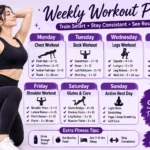
You do not need to exercise intensely every day to build a healthy routine. The following is a sample schedule that you can adapt to your abilities and availability.
| Day | Activity | Suggested duration |
|---|---|---|
| Monday | Brisk or comfortable walking | 15–20 minutes |
| Tuesday | Beginner full-body strength exercises | 15–20 minutes |
| Wednesday | Walking and gentle mobility | 15–20 minutes |
| Thursday | Rest or light movement | As comfortable |
| Friday | Beginner strength exercises | 15–20 minutes |
| Saturday | Walking, cycling, or another enjoyable activity | 20–30 minutes |
| Sunday | Rest and recovery | As needed |
This is a starting plan, not a requirement to exercise at a particular intensity. Increase activity gradually according to your fitness level.
For general adult health, the World Health Organization recommends working towards 150–300 minutes of moderate-intensity aerobic activity per week, or an equivalent amount of vigorous activity, alongside muscle-strengthening activities on at least two days per week. Beginners can build towards these targets progressively.
This Fitness for Beginners weekly plan helps you develop a consistent exercise routine while allowing enough time for rest and recovery.
What Should Beginners Eat for Fitness?
Nutrition supports energy, exercise performance, recovery, and general health. You do not need to follow an extreme diet or eliminate entire food groups to improve your fitness.
A balanced Indian diet can include:
- Protein: Dal, rajma, chana, paneer, curd, tofu, eggs, fish, or chicken.
- Carbohydrates: Roti, rice, oats, potatoes, and other whole grains or starchy foods.
- Vegetables: Seasonal vegetables and leafy greens for fibre and essential nutrients.
- Fruits: Whole fruits such as bananas, apples, oranges, and papaya.
- Healthy fats: Nuts, seeds, and appropriate amounts of vegetable oils.
- Fluids: Drink water regularly and adjust your intake according to activity, weather, and individual needs.
Try to include a source of protein in your main meals and eat a variety of foods throughout the day.
Is It Necessary to Stop Eating Rice or Roti to Lose Fat?
No. You do not need to eliminate rice or roti to lose body fat. Both can be part of a balanced diet.
Your overall food intake, activity level, portion sizes, nutritional quality, and consistency matter. Choose portions that suit your needs and combine staple foods with protein-rich foods and vegetables.
Avoid crash diets, unverified fat-burning supplements, and extreme restrictions. If you have a medical condition or specific nutritional needs, consult a registered dietitian or qualified healthcare professional.
How Can You Lose Body Fat in a Healthy Way?
Healthy fat loss generally requires sustainable eating habits, regular physical activity, sufficient sleep, and consistency over time.
Here are practical habits that can help:
- Include regular walking or another aerobic activity in your routine.
- Perform strength exercises to improve and maintain muscular strength.
- Eat balanced meals with appropriate portions.
- Limit frequent consumption of foods and drinks that provide substantial calories but few nutrients, without treating any single food as forbidden.
- Maintain a regular sleep schedule.
- Monitor progress over several weeks rather than expecting dramatic changes in a few days.
Body weight can fluctuate because of hydration, digestion, hormonal changes, and other factors. Progress can also be reflected in improved stamina, strength, sleep, and everyday movement.
There is no single fat-loss timeline that applies to everyone. Avoid comparing your results with social media transformations or promises of rapid weight loss.
How Important Is Sleep for Fitness?
Sleep plays an important role in physical recovery, concentration, energy, and exercise performance.
Most adults should aim for around seven to nine hours of sleep per night, although individual needs can vary. A consistent bedtime, a relaxing evening routine, and limiting caffeine late in the day may help support better sleep.
If you regularly feel exhausted despite adequate sleep, consider discussing it with a healthcare professional.
Common Fitness Mistakes Beginners Should Avoid
Many beginners struggle because they start with a routine that is too difficult to maintain.
Exercising too intensely at the beginning: Start at a manageable level and progress gradually.
Skipping recovery: Rest and recovery help your body adapt to exercise.
Following extreme diets: Very restrictive diets can make it harder to meet nutritional needs and maintain healthy habits.
Ignoring exercise technique: Learn the correct movement before increasing repetitions or resistance.
Expecting instant results: Fitness improvements usually require repeated effort over time.
Copying someone else’s routine: Your exercise plan should reflect your current abilities, goals, and health needs.
Measuring progress only by weight: Consider stamina, strength, consistency, and how you feel during everyday activities.
How Can You Stay Consistent With Your Fitness Routine?
The most effective routine is one that you can realistically maintain.
- Choose activities that you enjoy.
- Schedule exercise at a time that fits your daily life.
- Start with small goals, such as walking for 10 minutes.
- Keep track of workouts in a notebook or fitness app.
- Prepare simple, balanced meals in advance when possible.
- Allow yourself to rest when needed and return to your routine after a missed day.
You do not have to be perfect to make progress. Small, repeatable habits can help you develop a healthier lifestyle over time.
Frequently Asked Questions About Fitness
1. How many days a week should a beginner exercise?
A beginner can start with several manageable activity sessions per week and gradually build consistency. Adults should work towards recommended aerobic activity levels and include muscle-strengthening exercises on at least two days per week, as their abilities allow.
2. Can I get fit at home without a gym?
Yes. Walking, chair squats, wall push-ups, glute bridges, and other suitable bodyweight exercises can help improve fitness at home. You can add resistance gradually as your strength and technique improve.
3. How long should a beginner workout last?
A beginner workout may last 10–20 minutes initially. The ideal duration depends on the activity, intensity, recovery, and your current fitness level. Increase it gradually rather than pushing through exhaustion.
4. Is walking enough to improve fitness?
Walking can improve cardiovascular health and help you become more active. For a more balanced fitness routine, combine walking with suitable strength exercises and mobility work.
5. What is the best time to exercise?
The best time is the time that fits your schedule and allows you to exercise consistently. Morning, afternoon, or evening workouts can all be suitable. Comfort, safety, and consistency matter more than a universal ideal time.
6. What should I eat before a workout?
It depends on the workout and how recently you ate. If you need a snack, options such as a banana or a small serving of oats may work for some people. Larger meals may require more time to digest before exercise.
7. Do I need supplements to get fit?
Not necessarily. Many people can support their fitness goals through a balanced diet. Supplements should be considered according to individual needs, evidence, safety, and professional advice where appropriate.
8. How long does it take to see fitness results?
The timeline varies depending on your starting point, training, nutrition, sleep, and consistency. You may notice improvements in routine and stamina before visible body changes occur. Focus on sustainable progress rather than guaranteed deadlines.
9. Should I work out every day?
Not necessarily. Light daily movement may suit many people, but intense workouts do not need to happen every day. Include recovery and adjust exercise according to your needs.
10. How can I start fitness if I have never exercised before?
Begin with comfortable walking, a few simple strength exercises, and gentle mobility work. Increase your activity gradually and seek professional guidance if you have health concerns or need an individualised programme.
Following these Fitness for Beginners tips can help you build healthy habits, improve stamina, and make exercise a regular part of your lifestyle.
Final Thoughts
Fitness is a long-term commitment to taking care of your body, not a competition to achieve quick results. Start with simple exercises, eat balanced meals, sleep well, and build habits that fit your everyday life.
Whether your goal is to improve stamina, develop strength, or become more active, consistency and gradual progress are valuable starting points.
FitKashish encourages readers to choose sustainable fitness habits, learn correct exercise techniques, and seek qualified professional advice when individual health needs require it.
Health note: This article provides general educational information and is not a substitute for personalised medical, nutritional, or exercise advice.
Visit Homepage